



The critical point of failure is not delivery — it is early-stage decision quality
Private sector capital deployment is increasingly exposed to viability pressure, regulatory change, and delivery complexity — particularly in residential, mixed-use, and operationally constrained environments.
Where value is won or lost
Across developer-led and commercial programmes:
- Viability is often eroded before delivery begins
- Planning, regulatory, and safety requirements introduce hidden complexity
- Multi-phase schemes lack structured governance across decision gateways
- Commercial exposure increases due to fragmented sponsor oversight
The consequence is predictable: margin compression, delayed decisions, and reactive control.
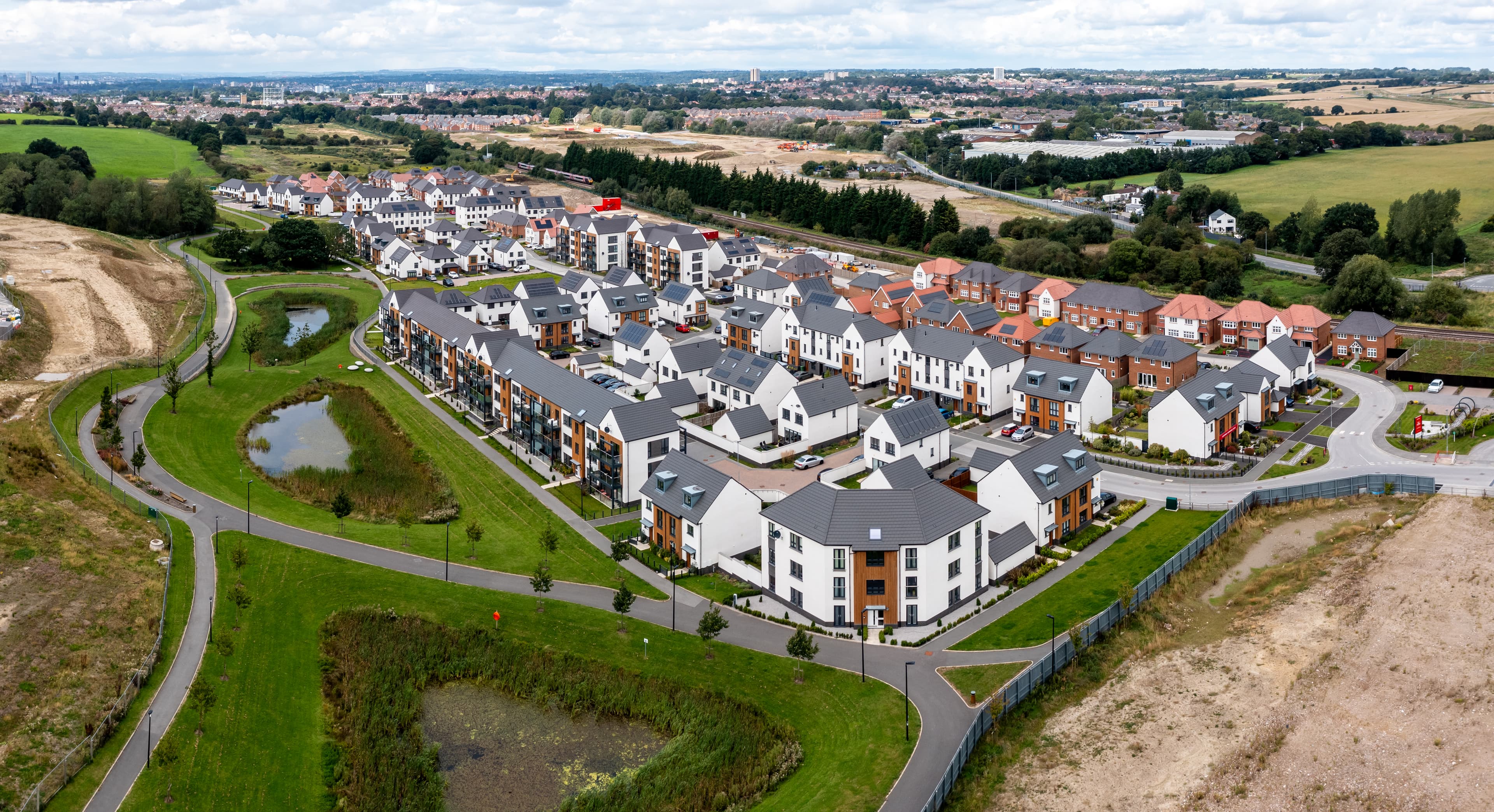
High-rise residential and developer-led schemes
Structural sponsor challenges
- Viability erosion driven by scope movement and cost uncertainty
- Increasing regulatory and building safety requirements
- Coordination risk across multi-phase delivery strategies
- Misalignment between investors, developers, and delivery teams
Playbook’s position
- Stress-testing viability assumptions before capital commitment
- Structuring phased governance and approval routes
- Integrating specialist advisers on behalf of the sponsor
- Preserving strategic intent across complex development cycles


What this enables
- Protection of investor and sponsor confidence
- Improved certainty at planning and approval stages
- Reduced likelihood of late-stage commercial deterioration

Care homes and later living
Structural sponsor challenges
- Aligning capital delivery with operational care models and long-term revenue performance
- Increasing regulatory and compliance requirements across healthcare, safety, and building standards
- Balancing development viability with quality of care and resident experience
- Integrating operator requirements, design, and delivery within constrained programmes
- Limited visibility of whole-life performance at early investment stages
Playbook’s position
- Aligning development strategy with operational and revenue models from the outset
- Stress-testing viability against build cost, operational performance, and funding structures
- Structuring governance across development and operational interfaces
- Providing independent challenge to ensure long-term performance is not compromised by short-term decisions

How we engage
- Strategic alignment between operators, investors, and development teams
- Business case and investment support linked to operational outcomes
- Governance and oversight across development lifecycles
- Targeted intervention where schemes require realignment or risk mitigation
What this enables
- Greater certainty between development outcomes and operational performance
- Reduced risk of misalignment between design, build, and care delivery
- Improved investor confidence in long-term asset performance
- Stronger control at key investment and delivery decision points
Manufacturing
Structural sponsor challenges
- Balancing capital investment with live operational environments
- Complex integration of equipment, process, and build
- Programme compression driven by commercial timelines
- Limited internal capacity for structured capital governance
Playbook’s position
- Structuring decision architecture for phased investment
- Strengthening executive-level visibility of risk and exposure
- Integrating engineering and delivery advisers within a sponsor-led model
- Maintaining control at critical commitment points

What this enables
- Protection of operational continuity during capital works
- Improved control over programme risk and sequencing
- Stronger commercial discipline under time pressure

Commercial
Structural sponsor challenges
- Protecting commercial returns in volatile market and cost environments
- Aligning development strategy with occupier demand and leasing assumptions
- Managing capital deployment decisions under time and competitive pressure
- Inconsistent governance across portfolios and individual assets
- Over-reliance on delivery partners for cost, risk, and programme visibility
Playbook’s position
- Structuring investment decisions around clear commercial and delivery logic
- Providing independent validation of cost, programme, and leasing assumptions
- Establishing consistent governance frameworks across assets and portfolios
- Ensuring disciplined decision-making at key commitment points

How we engage
- Strategic support across acquisition, development, and repositioning
- Governance and assurance across capital investment decisions
- Oversight of delivery structures to maintain commercial alignment
- Targeted intervention where value or control is at risk
What this enables
- Improved predictability of commercial outcomes
- Reduced exposure to cost and programme volatility
- Stronger alignment between investment strategy and delivery execution
- Increased confidence for investors, lenders, and stakeholders

Regeneration
Structural sponsor challenges
- Coordinating multiple stakeholders across public and private sector interests
- Aligning funding, planning, and delivery strategies across long-term, phased programmes
- Managing political, community, and commercial expectations simultaneously
- Navigating planning complexity and evolving scope over extended timeframes
- Maintaining strategic intent across multiple phases and delivery cycles
Playbook’s position
- Structuring programme-level governance across stakeholders, phases, and funding streams
- Aligning strategic objectives with delivery frameworks and decision gateways
- Providing independent oversight to maintain control and continuity over time
- Ensuring early-stage assumptions remain valid as programmes evolve

How we engage
- Strategic alignment across public-private partnerships and delivery models
- Governance and assurance across multi-phase regeneration programmes
- Support in funding strategy, business case development, and approvals
- Ongoing oversight to maintain programme integrity across delivery cycles
What this enables
- Greater control across complex, multi-stakeholder environments
- Improved alignment between vision, funding, and delivery
- Reduced risk of fragmentation across phases and partners
- Sustained confidence from stakeholders, investors, and communities


How Playbook supports
- Stress-testing viability assumptions before capital commitment
- Structuring phased governance and approval routes
- Integrating specialist advisers on behalf of the sponsor
- Preserving strategic intent across complex development cycles
- Providing independent challenge at key decision points
What this enables
- Protection of investor and sponsor confidence
- Improved certainty at planning and approval stages
- Reduced likelihood of late-stage commercial deterioration
- Stronger governance discipline across portfolios
Playbook does not deliver private sector projects. It ensures the governance surrounding them is structured, controlled, and capable of protecting long-term value.
The Capital Governance Diagnostic
Whether we are engaged to set up a programme, restore control, or provide independent assurance, the first step is always the same. We establish a clear, structured understanding of how decisions are being made, where risks sit, and where governance needs to strengthen — before delivery begins and significant commitments are made.
Request the Diagnostic